
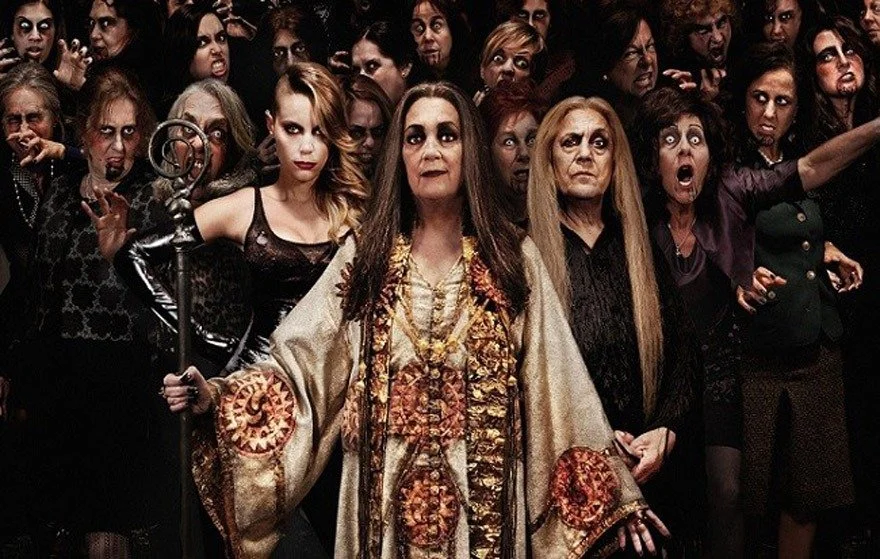
Las brujas de Zugarramurdi: cuando el rumor se convirtió en realidad
¿Qué pasó realmente con las brujas de Zugarramurdi? Una historia de acusaciones, testimonios y rumores que nos permite descubrir cómo hablamos en español de lo que sabemos, creemos, suponemos o simplemente hemos oído decir.
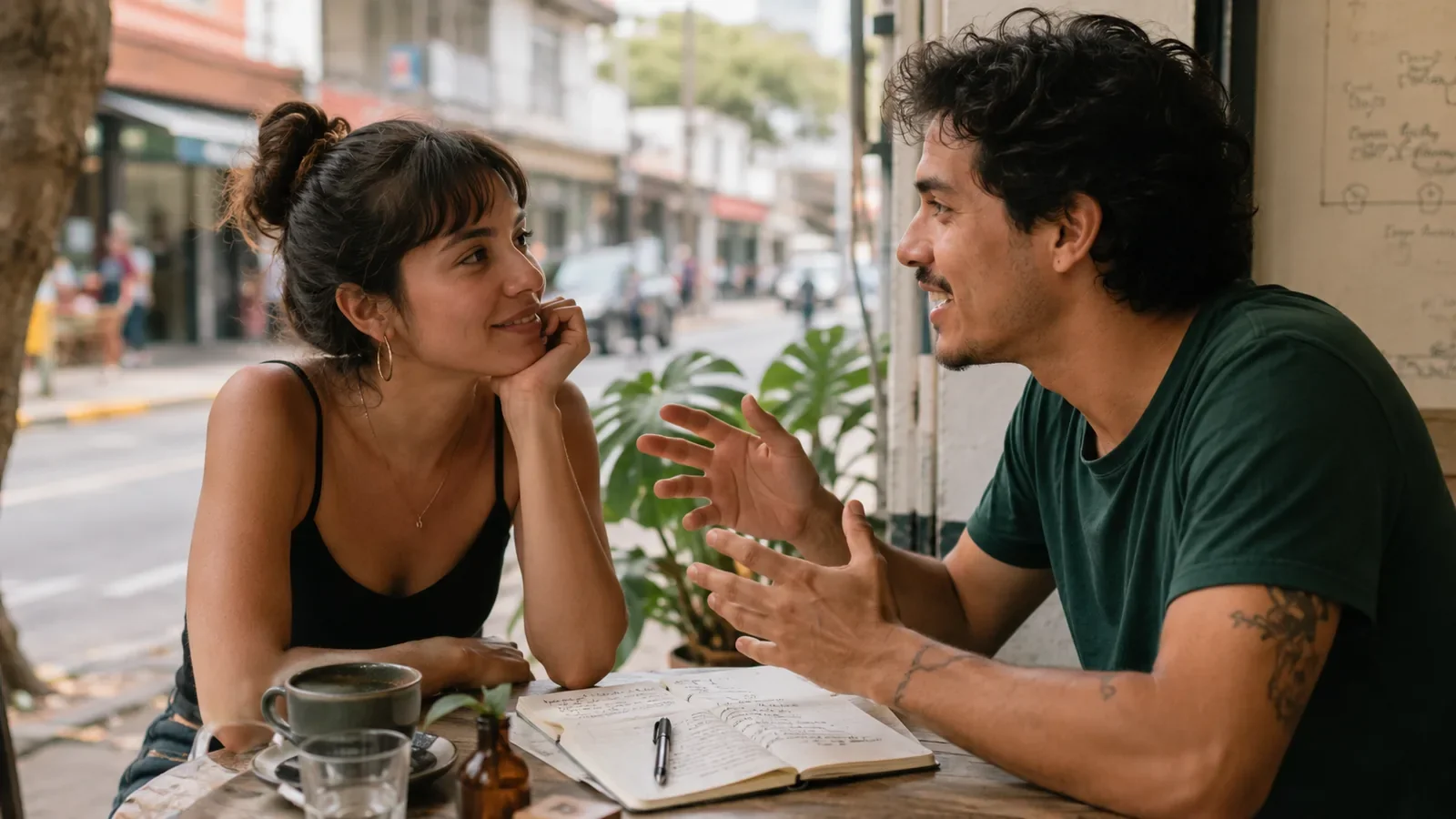
Mae: cuando una palabra cambia de significado
Una palabra puede significar “tonto”, “tipo” o incluso funcionar como una forma amistosa de dirigirse a alguien. La historia de mae en Costa Rica nos muestra cómo el contexto, la relación entre los hablantes y la región cambian la manera en que interpretamos el español.
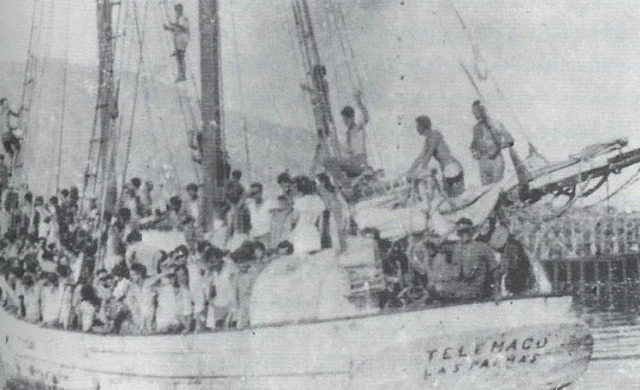
La travesía del Telémaco: aprender español a través de una historia real
Una embarcación pequeña, 171 emigrantes y más de un mes cruzando el Atlántico. La historia del Telémaco nos permite aprender vocabulario, practicar la narración en pasado y conversar sobre migración, riesgo y esperanza.

El Salar de Uyuni: un viaje por un paisaje que parece de otro planeta
En una sesión del club de conversación leímos sobre el Salar de Uyuni, en Bolivia, y conversamos sobre viajes, paisajes extremos y experiencias difíciles de describir. En este artículo exploramos este destino único mientras aprendemos vocabulario útil para hablar de viajes, describir paisajes y contar experiencias en español.

When Will I Feel Comfortable Speaking Medical Spanish? You're Asking the Wrong Question
Comfort in Medical Spanish is not something that arrives after enough studying. It's something you build from the very first session — and here's why that distinction matters.

The Difference Between Speaking Spanish and Having a Real Conversation
You can know the words, understand the grammar, and still freeze in a real conversation. That's not a vocabulary problem — it's the difference between producing Spanish and actually communicating in it.

Why You're Still Waiting to Feel Ready to Speak Medical Spanish
Many healthcare professionals delay speaking Medical Spanish until they feel ready. Here's why that moment never comes — and what actually works instead.

Palabras con historias curiosas: rival, trabajar, compañero y desastre
¿Sabías que rival está relacionada con un arroyo, o que trabajar viene de una palabra que significaba torturar? El origen de estas cuatro palabras dice mucho sobre cómo funciona el español — y sobre cómo recordarlo mejor.

What Your Patients Will Say Instead of What You Studied
Medical Spanish textbooks teach clinical vocabulary. But patients don't always speak like textbooks. Here's what that gap sounds like — and what it means for your clinical communication.
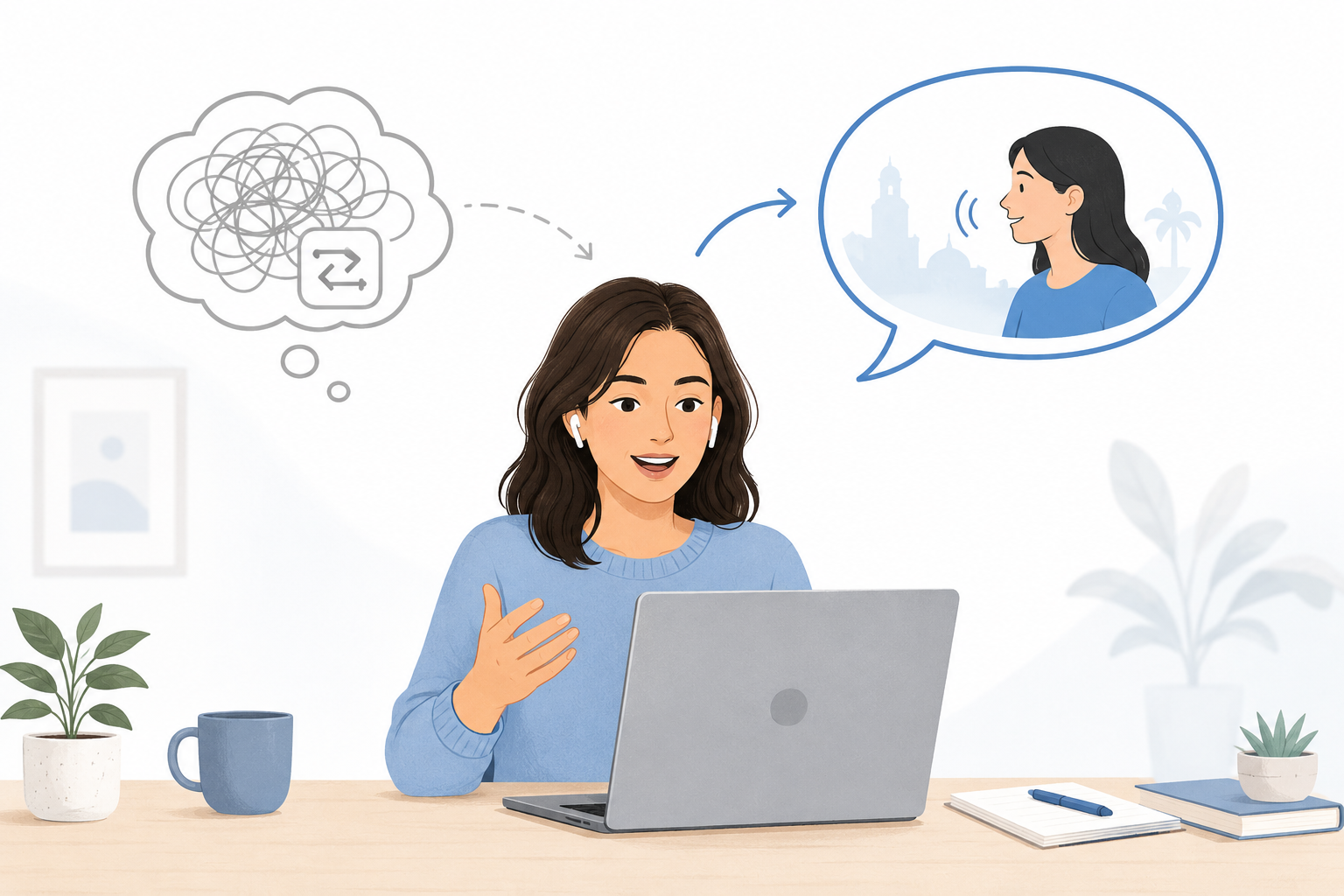
How to Stop Translating in Your Head When Speaking Spanish
Most Spanish learners aren't blocked by grammar — they're blocked by the habit of translating. When you try to convert every thought from English into Spanish, you're attempting one of the hardest cognitive tasks in language. There's a simpler way.
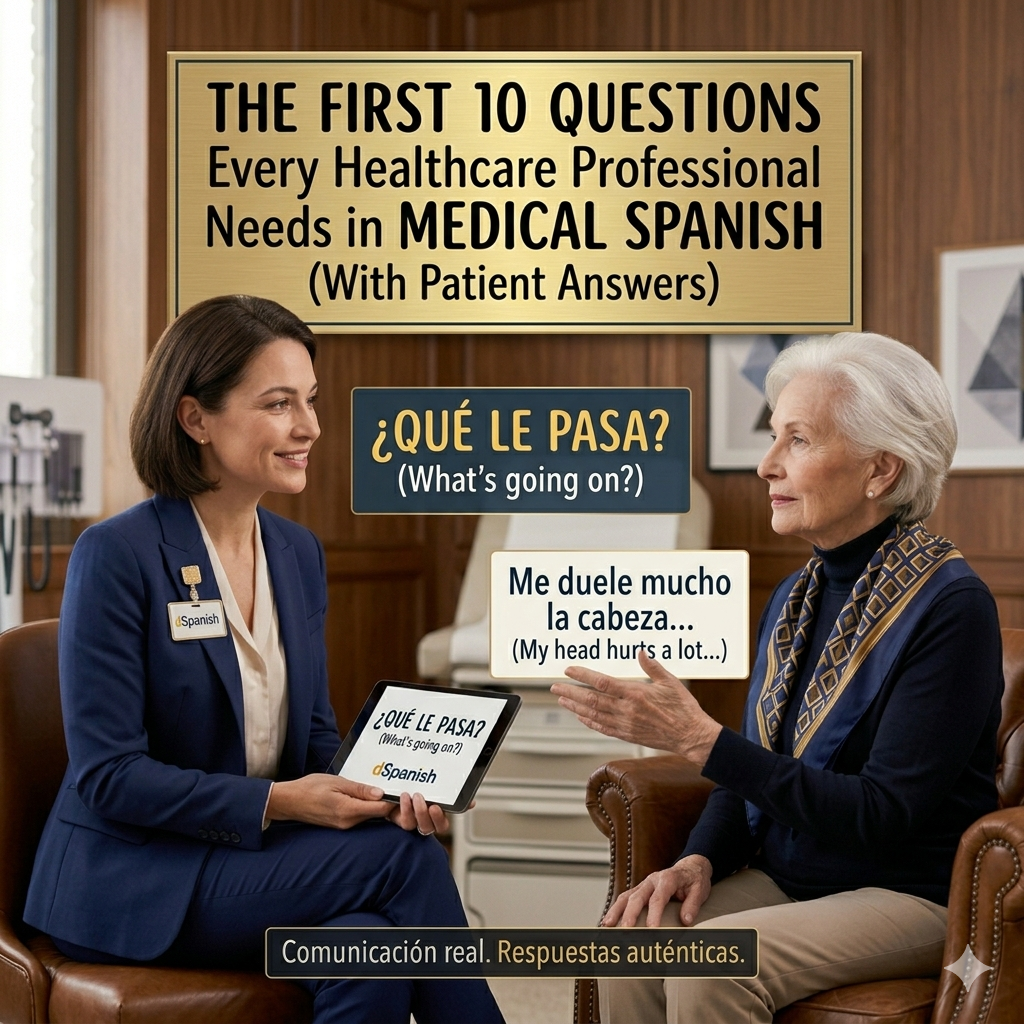
The First 10 Questions Every Healthcare Professional Needs in Medical Spanish (With Patient Answers)
Communicating with Spanish-speaking patients is not about memorizing medical vocabulary. It starts with knowing the right questions — and being ready for what comes after them.
Here are the 10 most essential questions for clinical interactions in Spanish, each one with the real answers patients give in everyday language.

Why You Understand Spanish but Can't Speak It (And What to Do About It)
You understand Spanish. You follow conversations, read articles, recognize grammar. But when it's time to speak, the words disappear.
This is more common than you think — and it's not a sign that you're bad at languages. It means your speaking hasn't been trained the same way as your comprehension. Here's why that happens, and what changes it.

Medical Spanish for Healthcare Professionals: Why Direct Communication Still Matters
Medical Spanish helps healthcare professionals become more present in conversations with Spanish-speaking patients. Interpreters remain essential for safety and accuracy, but direct communication — even partial — can build trust, improve connection, and make the clinical encounter feel more human.
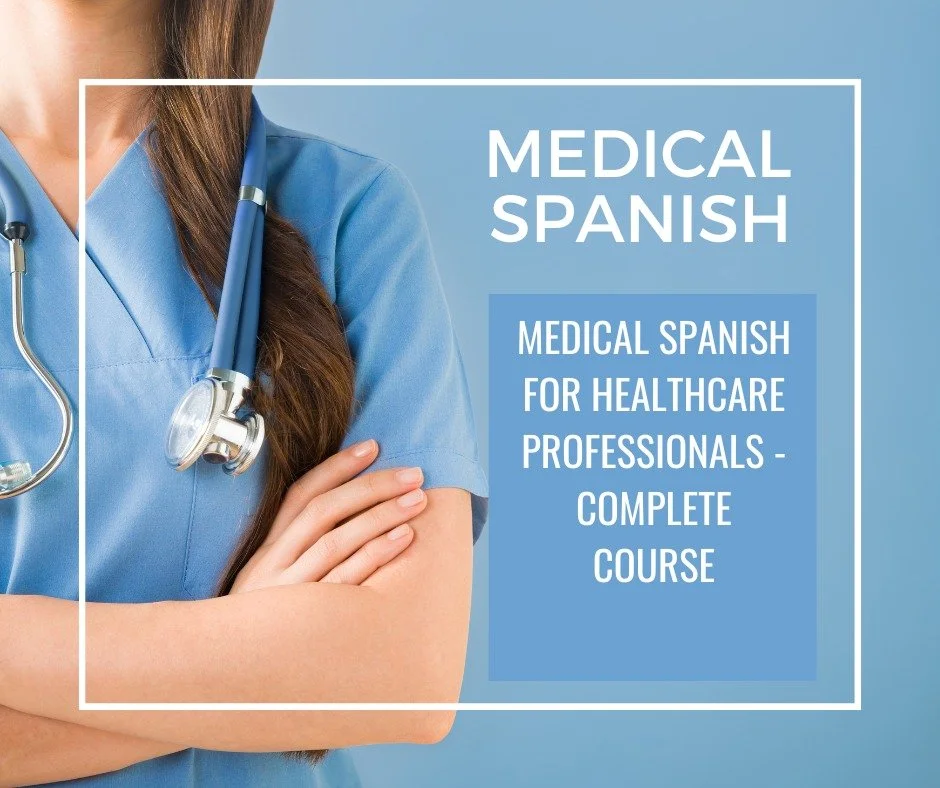
Why Healthcare Professionals in the U.S. Learn Spanish
Across the United States, doctors and nurses are learning Spanish not as a hobby, but as a necessity. Translation tools help, but nothing replaces real communication with a patient.

Cosas que están prohibidas en tus viajes (y cómo hablar de ellas en español)
Los temas de nuestro club de conversación siempre dan que hablar, como ocurrió cuando conversamos sobre algunas curiosas prohibiciones que existen en diferentes países de Europa y que suelen sorprender a la mayoría. Fue un tema divertido porque muchas de esas normas resultaban inesperadas y poco habituales.

Practicar español de manera natural: la clave para ganar fluidez
Hablar español con confianza es posible cuando lo practicas en un espacio real y entretenido. En el Club de Conversación de dSpanish te esperan temas culturales, materiales dinámicos y un grupo abierto donde cada clase es una nueva oportunidad para disfrutar del idioma.